Hello Jasmine: A Versatile Handwritten Font for Design Projects
When it comes to adding a personal and elegant touch to design projects, the Hello Jasmine font stands out as a compelling choice. This handwritten-style typeface is known for its charm and sophistication, making it ideal for a wide range of applications. Whether you're working on wedding invitations, thank you cards, or business materials, Hello Jasmine offers a unique aesthetic that can elevate your designs.
What Is Hello Jasmine?
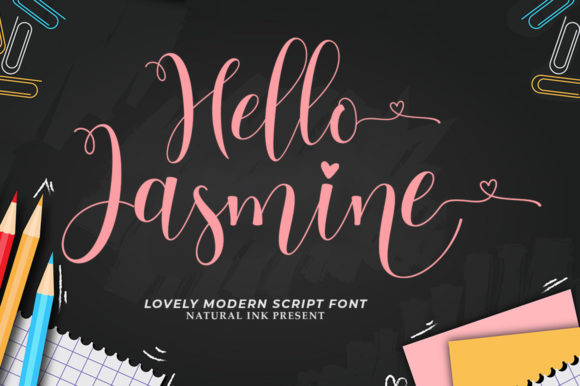
Hello Jasmine is a PUA-encoded font, which means it provides easy access to all of its glyphs and swashes without requiring special software. The font features a varying baseline, smooth lines, and beautifully crafted glyphs that give it a natural, handwritten appearance. Its alternates and stylistic variations allow for creative flexibility, making it a popular option among designers looking for a personalized touch.
Why Consider Hello Jasmine?
For designers and individuals seeking a font that combines elegance with practicality, Hello Jasmine presents several appealing qualities. Its handwritten style brings warmth and individuality to any project, making it particularly well-suited for events like weddings, where a personal touch is essential. Additionally, the font's versatility allows it to be used across multiple mediums, from digital graphics to printed materials.
The font’s PUA encoding ensures that users can access all of its features without limitations, which is a significant advantage for those who want full control over their design elements. This accessibility makes Hello Jasmine a practical choice for both novice and experienced designers.
Benefits and Tradeoffs
One of the primary benefits of Hello Jasmine is its ability to add a human-like quality to text. Unlike more rigid typefaces, this font mimics the flow of handwriting, which can make designs feel more authentic and engaging. It also supports a variety of stylistic options, allowing users to customize their work according to specific needs.
However, there are some tradeoffs to consider. Because of its handwritten nature, Hello Jasmine may not be the best choice for large blocks of text. Its legibility can vary depending on the size and context in which it is used. In such cases, a more traditional font might be more effective for readability.
Another consideration is the font’s suitability for different design styles. While it excels in romantic or artistic contexts, it may not align with more modern or minimalist aesthetics. Designers should evaluate whether the font’s characteristics match the overall tone and purpose of their project.
Situations Where Hello Jasmine Fits Well
Hello Jasmine is particularly well-suited for projects that require a personal or artistic flair. Wedding invitations, for example, often benefit from the font’s elegant and warm appearance. Similarly, thank you cards, greeting cards, and quotes can gain a more heartfelt and individualized look when using this typeface.
Business cards and logos that aim to convey creativity or a handmade quality may also find Hello Jasmine to be an effective choice. Its smooth lines and stylized elements can help create a memorable visual identity that stands out from more conventional fonts.
When Alternatives Might Be Better
In some cases, alternatives to Hello Jasmine may offer better results. For instance, if the goal is to maintain high readability across long paragraphs, a sans-serif or serif font might be more appropriate. These types of fonts are typically designed with clarity in mind, making them ideal for body text in documents, websites, or presentations.
Additionally, for projects that require a more structured or formal appearance, a more traditional typeface could be preferable. Designers should also consider the target audience and the intended message when selecting a font. A more modern or minimalistic design may not benefit from the ornate features of Hello Jasmine.
Practical Decision-Making Insights
When evaluating Hello Jasmine, it’s important to consider the specific goals of the project. Ask yourself whether the font’s aesthetic aligns with the desired tone and purpose. If the goal is to add a personal or artistic element, Hello Jasmine can be an excellent fit. However, if clarity and functionality are more critical, other fonts may be more suitable.
Testing the font in different contexts can also help determine its effectiveness. Experimenting with various sizes, colors, and backgrounds can reveal how well it performs in real-world scenarios. This process can provide valuable insights into whether the font meets the project’s requirements.
Finally, consider the availability of the font and its compatibility with design software. While Hello Jasmine is PUA encoded, ensuring that it works seamlessly with your preferred tools is essential for a smooth workflow.
Determine If Hello Jasmine Aligns With Your Needs
Hello Jasmine offers a distinctive and elegant solution for designers seeking a handwritten touch in their work. Its versatility, ease of use, and stylistic options make it a strong contender for a variety of projects. However, its suitability depends on the specific goals and requirements of each design.
By carefully evaluating the strengths and limitations of Hello Jasmine, designers can make informed decisions about whether it is the right choice for their work. Whether it’s for a special event, a creative project, or a professional application, understanding the font’s capabilities can help ensure that it enhances rather than detracts from the final result.