Exploring the Billkia Font: A Handwritten Touch for Design Projects
The Billkia font is a unique and elegant handwritten typeface that offers a personal, artistic flair to any design. Its delicate and timeless appearance makes it particularly appealing for projects that require a human touch, such as wedding invitations, thank you cards, and greeting cards. This article explores the characteristics of Billkia, its potential uses, and how it compares to other fonts in terms of suitability for different design needs.
What Is Billkia?
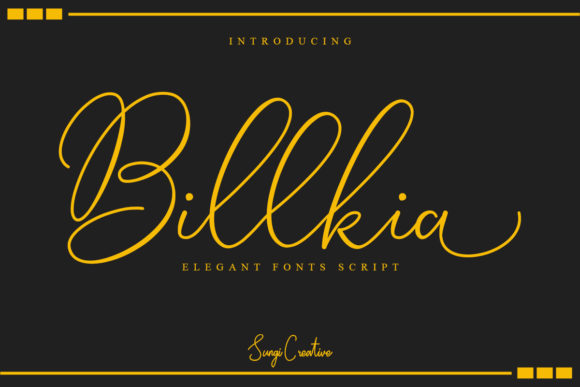
Billkia is a distinctive handwritten font that mimics the natural flow of cursive writing. It features smooth curves, subtle variations in stroke weight, and a soft, organic feel that sets it apart from more rigid or mechanical typefaces. The font’s design evokes a sense of warmth and authenticity, making it ideal for projects that aim to convey a personal or emotional message.
Unlike many digital fonts that prioritize uniformity, Billkia embraces the imperfections of hand-drawn lettering. This gives it a more authentic and expressive quality, which can be especially valuable in creative or artisanal contexts. The font is available in multiple weights and styles, allowing users to choose the version that best matches their design goals.
Why Consider Billkia?
Designers and creators may find Billkia appealing for several reasons. First, its handwritten aesthetic can add a unique and memorable element to any project. Whether used for branding, stationery, or digital content, Billkia can help differentiate a design from more conventional typefaces. Its visual appeal is particularly strong in applications where a personal or intimate tone is desired.
Another advantage of Billkia is its versatility. While it is often associated with formal or decorative uses like wedding invitations, it can also be applied to more casual designs, such as social media posts, blog headers, or promotional materials. Its readability in smaller sizes makes it suitable for body text, though it may not be ideal for long blocks of copy due to its stylistic nature.
Benefits and Tradeoffs
One of the main benefits of using Billkia is its ability to convey a sense of individuality and craftsmanship. For designers looking to create a signature look, this font can serve as a powerful visual tool. It also works well in combination with other fonts, allowing for balanced and cohesive layouts.
However, there are some tradeoffs to consider. Because of its stylized appearance, Billkia may not be the best choice for all types of projects. In professional or corporate settings, where clarity and neutrality are important, a more traditional font might be more appropriate. Additionally, while Billkia is readable in short phrases, its complexity can make it less effective for extended text.
Another consideration is the availability and licensing of the font. Depending on the platform or software being used, access to Billkia may vary. Users should ensure they have the proper license for commercial use if needed, as some fonts come with restrictions that could impact their application.
Situations Where Billkia Excels
Billkia is particularly well-suited for projects that benefit from a personalized or artistic approach. For example, it is an excellent choice for wedding invitations, where the font can enhance the romantic and elegant atmosphere. It also works well for thank you cards, quotes, and greeting cards, where a warm and heartfelt tone is desired.
In branding, Billkia can be used to create a distinctive identity for small businesses, artists, or independent creators. Its unique style helps establish a brand’s personality and can resonate with audiences who value creativity and authenticity. When paired with minimalist design elements, Billkia can produce a refined and sophisticated look.
For digital content, such as social media graphics or website headers, Billkia can add a visually engaging element that captures attention. However, it is important to test the font in different sizes and contexts to ensure it maintains its legibility and visual appeal.
When Alternatives Might Be Better
While Billkia has many strengths, there are situations where alternative fonts may be more appropriate. For instance, in formal or business-oriented designs, a more structured and neutral typeface might be preferable. Fonts like Times New Roman, Arial, or Helvetica offer greater clarity and professionalism, which can be essential in certain contexts.
For projects that require high readability, especially in large blocks of text, a sans-serif or serif font with consistent stroke widths may be a better option. These fonts are typically easier to read at a glance and can maintain a clean, modern appearance across various mediums.
Additionally, users who are looking for a more universal or widely recognized font may find that alternatives like Garamond, Playfair Display, or Lato provide similar aesthetic qualities without the same level of stylization. These fonts are often used in both print and digital formats and can offer greater flexibility in design applications.
Practical Decision-Making Insights
When deciding whether to use Billkia, it is important to evaluate the specific needs of the project. Consider the intended audience, the overall tone, and the medium in which the font will be used. If the goal is to create a warm, personal, or artistic impression, Billkia can be an excellent choice.
Users should also test the font in real-world scenarios. Previewing Billkia in different sizes, colors, and backgrounds can help determine its effectiveness in a given context. Experimenting with combinations of fonts and design elements can further enhance the final outcome.
Finally, understanding the licensing and technical requirements of the font is crucial. Ensuring that the font is properly licensed for the intended use can prevent potential issues down the line. Many fonts are available through online marketplaces, and users should review the terms carefully before downloading or purchasing.
Ultimately, the decision to use Billkia depends on the designer’s goals and the specific demands of the project. By considering its strengths, limitations, and compatibility with other design elements, users can make an informed choice that aligns with their creative vision and practical needs.