Better: A Versatile and Elegant Handwritten Font for Every Design
When it comes to adding a personal touch to design projects, the right font can make all the difference. Better is a handwriting-style typeface that brings a sense of warmth, charm, and sophistication to any project. Whether you're designing wedding invitations, business cards, or social media graphics, Better offers a unique blend of elegance and practicality. Its versatility makes it a go-to choice for designers, creatives, and professionals looking for a font that feels both authentic and refined.
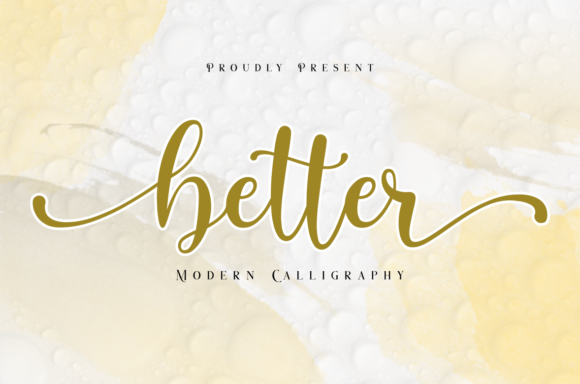
Designed with a natural, handwritten aesthetic, Better mimics the fluidity and character of real penmanship. This makes it ideal for projects that require a personal, human feel. Unlike many other fonts that can feel rigid or artificial, Better retains a sense of movement and variation, giving each letter a distinct personality. This quality not only enhances visual appeal but also helps convey emotion and intention in written content.
What Makes Better Stand Out?
Better’s defining features include its varying baseline, smooth lines, and stunning alternates. These elements contribute to its overall charm and make it suitable for a wide range of applications. The varying baseline gives the font a more organic look, as if it were written by hand rather than typed on a keyboard. This subtle detail adds depth and character to the typography, making it stand out from standard fonts.
The smooth lines of Better ensure readability while maintaining an elegant appearance. Whether used in large headings or smaller body text, the font remains legible and visually pleasing. Additionally, the presence of gorgeous glyphs and swashes allows for greater customization and artistic expression. These features are particularly useful for designers who want to add a unique flair to their work without sacrificing clarity.
Better is PUA encoded, which means users can access all of its glyphs and swashes without relying on complex keyboard layouts or special software. This accessibility makes it easier for designers to incorporate the font into their workflow, whether they're working on print materials, digital designs, or branding projects.
Where Can Better Be Used?
Better is incredibly versatile and can be used in a variety of design contexts. One of its most popular applications is in wedding invitations, where the handwritten style adds a personal and romantic touch. It’s also commonly used for thank you cards, quotes, and greeting cards, where a warm and sincere tone is essential.
In addition to personal projects, Better is well-suited for professional use. Business cards, logos, and branding materials often benefit from the font’s elegant and approachable look. Its ability to convey both professionalism and personality makes it a valuable tool for entrepreneurs, small businesses, and creative professionals.
For digital designers, Better works well in social media graphics, website headers, and email newsletters. Its clean lines and readable structure ensure that it performs well across different platforms and screen sizes. Whether used in a bold headline or a subtle subheading, Better maintains its visual appeal and functionality.
Who Benefits From Using Better?
Better is ideal for a wide range of users, including graphic designers, illustrators, and content creators. Its ease of use and aesthetic appeal make it a favorite among those who want to add a handwritten element to their work without the hassle of manually writing each piece.
Business owners and marketing professionals can also benefit from using Better. It provides a way to create branded materials that feel authentic and engaging. For example, a small café might use Better in its logo or menu design to evoke a sense of warmth and community.
Individuals looking to personalize their projects, such as artists, writers, or educators, will find Better to be a helpful tool. It can be used to create custom stationery, book covers, or educational materials that reflect a personal style while maintaining a professional finish.
Strengths and Considerations
One of the main strengths of Better is its ability to add a human element to design. This makes it particularly effective in projects that aim to connect with audiences on an emotional level. Its smooth curves and flowing lines give it a soft and inviting appearance, which can help build trust and rapport.
Another advantage is its adaptability. Better can be used in both formal and casual settings, depending on how it’s applied. For instance, it can be paired with serif or sans-serif fonts to create a balanced and cohesive design. This flexibility allows for creative experimentation and ensures that the font remains relevant across different styles and trends.
However, there are some considerations to keep in mind. While Better is highly readable in most cases, it may not be the best choice for long blocks of text. Its decorative elements, such as swashes and alternates, can sometimes interfere with legibility when used excessively. Therefore, it’s recommended to use the font strategically and in moderation.
Additionally, because Better is a handwritten font, it may not be suitable for all types of projects. For example, formal documents or technical reports may require a more traditional and structured font. In such cases, it’s important to evaluate the purpose of the design and choose a font that aligns with the intended message and audience.
Real-World Applications
Consider a scenario where a couple is planning their wedding. They want to create invitations that reflect their personalities and the tone of their ceremony. By using Better, they can achieve a beautiful, personalized look that feels authentic and heartfelt. The font’s elegant strokes and varied baseline add a sense of sophistication, making the invitations stand out while still feeling intimate.
Another example is a small business owner launching a new brand. They need a logo that conveys trust and creativity. By incorporating Better into their logo design, they can create a visual identity that feels approachable and distinctive. This can help differentiate their brand from competitors and resonate with their target audience.
For a teacher or educator, Better can be used to create custom lesson plans or classroom materials. The font’s friendly and accessible appearance can make learning more engaging and less intimidating for students. It can also be used in presentations or handouts to add a personal touch and enhance the overall experience.
Evaluating Suitability for Your Projects
When considering whether Better is the right font for your project, it’s important to think about the purpose, audience, and context. Ask yourself questions such as: Does this project require a personal or emotional tone? Will the font enhance or detract from the message being conveyed? Is the font appropriate for the medium in which it will be used?
Testing the font in different scenarios can also help determine its effectiveness. Try using it in various sizes and formats to see how it looks in different settings. Pay attention to how it interacts with other design elements, such as colors, images, and layout. This will help ensure that the final result is both visually appealing and functionally sound.
Ultimately, Better is a powerful tool for anyone looking to add a handwritten touch to their design work. Its combination of elegance, readability, and versatility makes it a valuable asset for a wide range of projects. Whether you’re a designer, business owner, or creative professional, Better offers a way to express your vision with authenticity and style.