Yogurt: A Delightful Design Choice for a Flowing and Relaxed Aesthetic
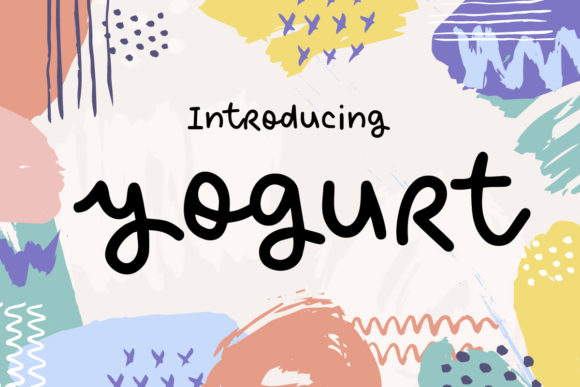
In the world of design, where precision and perfection often take center stage, there's a growing appreciation for imperfection, warmth, and human touch. One font that has captured this sentiment is Yogurt. With its soft curves, gentle slopes, and unmistakable handwritten charm, Yogurt offers a visual language that feels both inviting and authentic. It’s more than just a font—it’s an emotional response to the modern desire for simplicity, connection, and ease.
Yogurt is particularly relevant in today’s design landscape, where digital interactions are increasingly common but often lack the personal touch that makes communication meaningful. Whether you're creating a wedding invitation, a thank-you card, or a logo, Yogurt brings a sense of calm and approachability that resonates with audiences looking for something more human.
The Rise of Handwritten Typography in Modern Design
Over the past few years, there has been a noticeable shift toward handwritten typography in both personal and professional design projects. This trend reflects a broader cultural movement toward authenticity and individuality. People are tired of mass-produced, sterile designs and are seeking out fonts that feel more like a personal signature than a generic typeface.
Yogurt fits perfectly into this trend. Its fluid, organic lines mimic the natural flow of handwriting, making it ideal for projects that aim to convey warmth, creativity, or a relaxed vibe. Unlike rigid, geometric fonts, Yogurt invites viewers to slow down and engage with the content on a more personal level.
This shift is also influenced by changes in how people consume information. In a fast-paced digital world, design that feels intentional and thoughtful stands out. Yogurt helps create that distinction, offering a visual break from the noise and a reminder of the beauty in imperfection.
Why Yogurt Stands Out in a Crowded Market
With so many fonts available, what makes Yogurt special? It’s not just about aesthetics—it’s about the feeling it evokes. Yogurt is designed to be used in contexts where a personal touch matters. Think of a wedding invitation that feels like a heartfelt note from a friend, or a business card that conveys trust and sincerity without being overly formal.
One reason Yogurt has gained popularity is its versatility. It works well in both digital and print formats, adapting seamlessly to different mediums. Whether you’re designing a social media post, a brochure, or a website header, Yogurt adds a unique character that sets your work apart.
Moreover, Yogurt’s design allows for easy customization. Users can adjust spacing, size, and style to suit their specific needs, making it a flexible choice for a wide range of applications. This adaptability is especially valuable in today’s fast-moving creative industry, where flexibility and efficiency are key.
Practical Applications of Yogurt in Everyday Design
Yogurt is more than just a pretty font—it’s a practical tool for designers, entrepreneurs, and creatives who want to add a personal touch to their work. Here are some real-world examples of how it can be used:
- Wedding Invitations: Yogurt adds a romantic, whimsical feel to invitations, making them feel more intimate and personal.
- Thank You Cards: Using Yogurt on thank-you notes gives a sense of sincerity and gratitude that printed, impersonal messages often lack.
- Quotes and Greeting Cards: For cards that express emotion or inspiration, Yogurt enhances the message with its warm, flowing style.
- Logos and Business Cards: Brands that want to project a friendly, approachable image can use Yogurt to create a memorable visual identity.
- Website Headers and Social Media Posts: Adding Yogurt to digital content can make it more engaging and visually appealing, especially for lifestyle, wellness, or creative brands.
These applications show how Yogurt can be used across different industries and purposes. It’s not limited to one niche—it’s a versatile tool that can enhance any design that benefits from a human touch.
How Yogurt Reflects Changing User Expectations
As user expectations evolve, so do the design elements that resonate with them. Today’s audiences value experiences that feel genuine and meaningful. They’re more likely to connect with content that feels like it was created with care rather than generated through automation.
This is where Yogurt excels. Its design aligns with the idea that good design should feel human. It doesn’t try to be perfect—it embraces the subtle variations and imperfections that make handwriting unique. This quality makes it especially appealing in a world where many people are seeking authenticity in both their personal and professional lives.
Additionally, as remote work and digital communication become more common, the need for visual cues that foster connection is greater than ever. Yogurt helps bridge that gap by adding a sense of warmth and familiarity to digital interactions.
Recommendations for Using Yogurt Effectively
If you're considering using Yogurt in your design projects, here are a few tips to get the most out of it:
- Use it for short text: Yogurt is best suited for headlines, titles, and short phrases. It may not be ideal for long blocks of text due to its cursive style.
- Pair it with complementary fonts: To maintain readability, pair Yogurt with a clean, sans-serif font for body text or supporting details.
- Experiment with spacing: Adjust letter and line spacing to ensure the font looks balanced and professional.
- Test it in different contexts: Try using Yogurt in various formats—print, digital, and social media—to see how it performs in each environment.
- Focus on purpose: Use Yogurt intentionally. It’s most effective when the goal is to evoke a feeling of relaxation, warmth, or creativity.
By following these guidelines, you can harness the full potential of Yogurt while maintaining clarity and professionalism in your designs.
The Future of Handwritten Typography in Design
As design continues to evolve, the role of handwritten typography like Yogurt is likely to grow. More creators are recognizing the value of fonts that feel personal and expressive, and this trend shows no signs of slowing down.
Looking ahead, we can expect to see more integration of handwritten styles in both digital and physical design. As technology advances, tools that allow for more natural, fluid typography will become more accessible, further blurring the line between handcrafted and digital design.
For now, Yogurt remains a powerful choice for those who want to bring a sense of calm, creativity, and connection to their work. It’s not just a font—it’s a reflection of a design philosophy that values authenticity, emotion, and human touch.