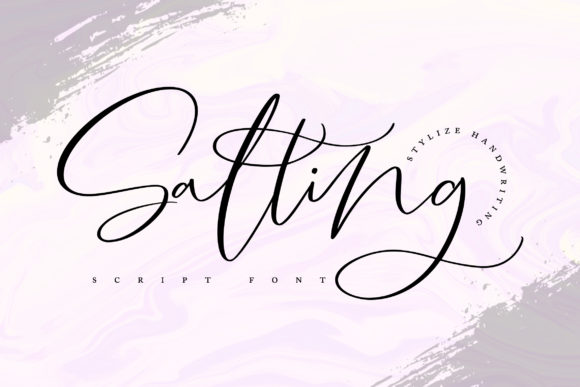
Salting: A Strategic Choice for Elegant Design and Purposeful Communication
Salting is more than just a font; it's a thoughtful tool that can elevate the visual appeal of any design while reinforcing the message being conveyed. With its elegant, handwritten style, Salting offers a unique blend of relaxation and sophistication that resonates across various creative and professional contexts. Whether you're designing wedding invitations, business cards, or marketing materials, Salting provides a refined aesthetic that feels both personal and polished.
What makes Salting particularly valuable is its versatility. It can be used in a wide range of applications—from formal documents to casual greetings—making it an ideal choice for designers, marketers, and entrepreneurs who want to maintain a consistent yet expressive brand identity. Its PUA encoding ensures that all glyphs and swashes are easily accessible, allowing for greater customization and creative freedom without technical barriers.
Strategically, Salting supports goals by enhancing the emotional impact of written communication. In an era where visual branding plays a critical role in customer engagement, fonts like Salting help create a sense of authenticity and approachability. This is especially important for small businesses, independent creators, and professionals looking to stand out in a competitive market.
When to Use Salting: Practical Applications and Strategic Considerations
Salting is best utilized when the goal is to convey warmth, elegance, or a personal touch. For instance, in wedding invitations, it adds a romantic and intimate feel that aligns with the event's tone. Similarly, in thank you cards or quotes, it reinforces sincerity and thoughtfulness. However, its use should be intentional, as overuse can dilute its impact.
Consider the context before applying Salting. If the design requires a more formal or modern look, a different font may be more appropriate. Salting works well when paired with other fonts that complement its style, creating a balanced and cohesive visual hierarchy. For example, using a clean sans-serif for body text and Salting for headings can enhance readability while maintaining aesthetic appeal.
When planning a project, think about the audience and the message. If your target demographic values craftsmanship and individuality, Salting can reinforce those values. For brands aiming to connect emotionally with their customers, integrating Salting into logos or promotional materials can build a stronger, more relatable identity.
How to Approach Salting: Planning and Execution Tips
To get the most out of Salting, start by defining the purpose of your design. Are you aiming to inspire, inform, or persuade? Understanding the objective will guide how you incorporate the font. For instance, if you're creating a quote for social media, using Salting for the text can make it more visually engaging and shareable.
Experiment with different sizes, spacing, and colors to see how Salting interacts with other elements of your design. Pay attention to the varying baseline and smooth lines, which contribute to its natural, flowing appearance. These features make it ideal for designs that require a humanized touch, such as personalized letters or branded content.
Also, consider the medium on which the design will be displayed. Salting may look stunning on print materials but could appear less legible on digital screens if not optimized. Test it across different platforms to ensure clarity and consistency.
Strategic Observations: Long-Term Value and Branding
Over time, the consistent use of Salting can become a signature element of your brand. This helps in building recognition and trust, as audiences begin to associate the font with your values and style. However, this requires careful management to avoid overexposure or misalignment with your brand's evolving identity.
From a long-term perspective, Salting can support operational efficiency by streamlining the design process. Its ease of use and rich glyph set allow for quick iterations and adjustments, saving time and resources. This is particularly beneficial for freelancers and small teams working on multiple projects simultaneously.
In terms of customer experience, the use of Salting can create a more memorable interaction. Whether it's through a beautifully designed invoice or a heartfelt email, the font contributes to a positive impression that can influence loyalty and repeat business.
Risks of Using Salting Without Clear Goals
While Salting is a powerful tool, its effectiveness depends on how it's applied. Using it without a clear purpose can lead to confusion or a lack of focus in your design. For example, if you apply it to every element of a website or document, it may overwhelm the viewer rather than enhance the message.
Additionally, without proper planning, the font might not align with your overall design strategy. This can result in a disjointed look that fails to communicate your intended message effectively. Always ask yourself: Does this use of Salting serve a specific goal or add value to the design?
Another risk is relying too heavily on aesthetics at the expense of functionality. While Salting looks beautiful, it's important to ensure that readability and accessibility are not compromised. This is especially crucial for content that needs to be understood quickly, such as instructions or calls to action.
Intentional Use of Salting: A Guide for Decision-Makers
To use Salting intentionally, start by identifying the key messages you want to convey. Then, determine how the font can support those messages visually. For example, if you're launching a new product, using Salting in the tagline can create a sense of exclusivity and craftsmanship.
Consider the emotional tone you want to achieve. Salting’s relaxed and elegant style can evoke feelings of comfort and sophistication, making it suitable for brands that emphasize quality and care. However, if your brand is more energetic or innovative, you may need to pair it with other elements that reflect that personality.
Finally, seek feedback from others. What do your target audience or colleagues think about the font? Their perspectives can help you refine your approach and ensure that your use of Salting aligns with your broader strategic goals.