Sugar Candy: A Handwritten Font with Timeless Charm
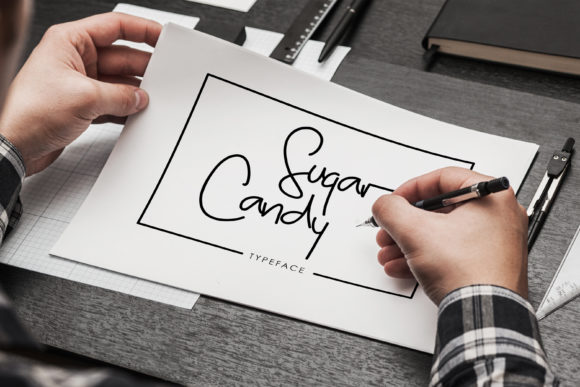
Sugar Candy is more than just a font—it's a design choice that brings warmth, personality, and a touch of nostalgia to any project. With its soft, flowing strokes and relaxed aesthetic, it’s ideal for anyone looking to add a handwritten feel to their work. Whether you're designing a wedding invitation or crafting a logo, Sugar Candy offers a unique blend of elegance and approachability that stands out in a sea of rigid typefaces.
At first glance, Sugar Candy feels familiar yet distinctive. Its curves are gentle, its lines are fluid, and its overall structure gives the impression of being written by hand rather than designed on a computer. This makes it perfect for projects where a personal, authentic touch is essential. It doesn’t shout for attention but instead invites the viewer to lean in and take a closer look.
Where Sugar Candy Shines
Sugar Candy excels in design areas that benefit from a humanized touch. Wedding invitations are a natural fit—its softness complements the romantic and emotional tone of such events. Similarly, thank you cards and greeting cards can feel more heartfelt when using this font. The same applies to quotes and motivational messages, where the font’s character helps convey sincerity and warmth.
In branding, Sugar Candy can be used for logos, especially for businesses that want to appear friendly, creative, or artisanal. It works well for boutique shops, cafes, or any brand aiming to feel approachable. In editorial design, it can serve as a highlight font for headings or captions, adding visual interest without overwhelming the reader.
For packaging design, Sugar Candy adds a handmade quality that can make products stand out on the shelf. It also pairs well with other fonts in web design and social media graphics, offering a contrast that draws attention while maintaining readability.
The Impact of Sugar Candy on Design
When used effectively, Sugar Candy can influence how a design is perceived. Its handwritten nature can create a sense of authenticity, making a brand or message feel more genuine. However, it's important to consider readability, especially in larger blocks of text. While it's excellent for short phrases or headlines, it may not be the best choice for long paragraphs.
In terms of visual hierarchy, Sugar Candy can be used to emphasize key elements in a design. Its unique shape and flow help it stand out, making it ideal for titles, callouts, or special promotions. When paired with a more neutral font, it can create a balanced composition that guides the viewer’s eye naturally through the content.
Consistency is another factor to consider. If you're using Sugar Candy in a brand identity system, ensure it's applied thoughtfully across all touchpoints. Overuse can dilute its impact, while strategic use can reinforce brand recognition and create a cohesive look.
Choosing the Right Font for Your Project
Before selecting Sugar Candy, ask yourself what the project needs. Is the goal to convey warmth, creativity, or a personal connection? If so, Sugar Candy could be a great fit. But if the design requires a more formal or structured appearance, a serif or sans serif font might be more appropriate.
Testing is crucial. Try different sizes and weights to see how Sugar Candy performs in your specific context. For example, a large headline might look beautiful, but a small body text could become hard to read. Always test the font in the actual environment where it will be used—whether that’s print, digital, or both.
Font pairing is another consideration. Sugar Candy often works well with clean, modern fonts that provide contrast. A minimalist sans serif can balance its organic feel, creating a design that’s both stylish and easy to read. Experiment with combinations to find what works best for your project.
Practical Tips for Using Sugar Candy
If you’re new to using handwritten fonts, start with small projects to get a feel for how they work. Use Sugar Candy for headings, logos, or decorative elements rather than for body text. This allows you to enjoy its visual appeal without compromising legibility.
Review the font’s licensing terms carefully, especially if you’re using it for commercial purposes. Make sure you have the right to use it across all intended platforms, including print and digital media. Some fonts come with limited licenses that may not cover all uses.
Finally, don’t be afraid to experiment. Sugar Candy is versatile enough to work in many contexts, but its effectiveness depends on how you apply it. Whether you’re a designer, marketer, or small business owner, incorporating Sugar Candy into your design toolkit can add a unique and memorable touch to your work.