Homogenic: A Handwritten Touch for Every Design Workflow
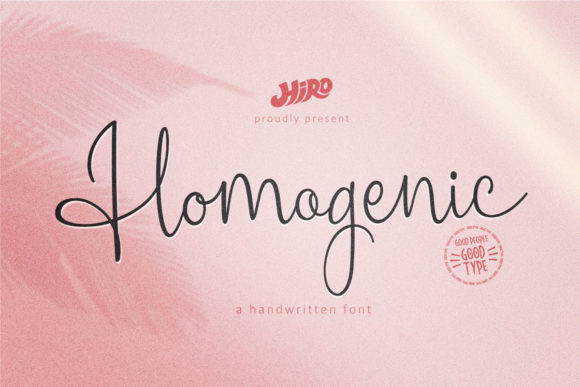
Homogenic is a versatile handwritten font that brings a personal and elegant feel to any design project. Its smooth lines, varying baseline, and stunning alternates make it ideal for a wide range of applications, from wedding invitations to business cards and everything in between. Whether you're working on a creative project, a marketing campaign, or a personal endeavor, Homogenic offers a unique way to add character and charm to your work.
Designed with practicality in mind, Homogenic is PUA encoded, which means you can easily access all of its glyphs and swashes without the need for complex software or additional tools. This makes it an excellent choice for designers, marketers, and creatives who want to streamline their workflow while maintaining a high level of quality and consistency.
Understanding Homogenic in the Design Process
Homogenic fits naturally into the broader design process, offering a handwritten aesthetic that can enhance the visual appeal of any project. It’s particularly useful when you want to convey warmth, authenticity, or a personal touch. Whether you’re designing a logo, creating a greeting card, or developing a brand identity, Homogenic provides a refined and professional look that stands out.
Before starting a design project, consider how the use of a handwritten font like Homogenic can influence the overall tone and message. For instance, if you're creating a thank you card, using Homogenic can make the message feel more heartfelt and sincere. Similarly, in a business context, it can add a touch of sophistication that complements a modern or traditional brand image.
Integrating Homogenic into Your Workflow
Integrating Homogenic into your workflow can be seamless, especially when you understand how it interacts with other design tools and resources. If you're using graphic design software like Adobe Illustrator, Photoshop, or InDesign, Homogenic can be easily installed and accessed, allowing you to experiment with different styles and layouts.
One practical tip is to use Homogenic for headings, titles, or key text elements where a handwritten effect is desired. This helps maintain readability while still adding a unique visual element. For example, in a brochure or flyer, using Homogenic for the headline can draw attention and create a more engaging layout.
When working with a team or collaborating on a project, ensure that everyone has access to the same font files and understands how to use them effectively. This helps maintain consistency across all design assets and ensures that the final product reflects a cohesive vision.
Homogenic in Different Use Cases
Homogenic is highly adaptable and can be used in various scenarios, making it a valuable addition to any designer's toolkit. Here are some common use cases:
- Wedding Invitations: Homogenic adds a romantic and elegant touch to wedding invitations, making them feel more personal and meaningful.
- Thank You Cards: Using Homogenic on thank you cards can make the message feel more genuine and heartfelt.
- Quotes and Greeting Cards: The font's smooth lines and beautiful glyphs make it perfect for quotes, inspirational messages, and greeting cards.
- Logos and Business Cards: Homogenic can be used to create a unique and memorable brand identity that stands out in a competitive market.
- Marketing Materials: Incorporating Homogenic into brochures, flyers, and social media graphics can help create a consistent and professional look.
Each of these use cases highlights how Homogenic can be integrated into different aspects of a design workflow, helping to enhance the visual appeal and emotional impact of the final product.
Preparing for Effective Use of Homogenic
To get the most out of Homogenic, it's important to plan and prepare properly. Start by identifying where and how you will use the font in your projects. Consider the type of content you'll be working with, the size of the text, and the overall design style. This will help you determine the best way to apply the font for maximum impact.
Additionally, make sure that your design software supports PUA encoding, as this allows full access to all the glyphs and swashes included in the font. If you're unsure about compatibility, test the font in different programs to ensure it works as expected.
Another important consideration is the readability of the font. While Homogenic is visually appealing, it's essential to use it appropriately to maintain legibility. Avoid using it for large blocks of text, as this can make the content harder to read. Instead, use it for headings, captions, or short phrases where its unique characteristics can shine.
Optimizing Your Design Process with Homogenic
Using Homogenic can significantly improve the efficiency and quality of your design process. By incorporating it into your workflow, you can add a personalized touch that sets your work apart from the competition. However, it's important to balance creativity with practicality to ensure that the final result meets your goals and expectations.
One effective strategy is to use Homogenic in combination with other fonts. For example, pair it with a clean, sans-serif font for body text to create a contrast that enhances readability while maintaining a stylish appearance. This approach allows you to leverage the strengths of both fonts and create a more dynamic and engaging design.
Another useful observation is to experiment with different sizes and weights of Homogenic to see how they affect the overall look and feel of your design. This can help you find the right balance between elegance and functionality, ensuring that the font serves its purpose without overwhelming the composition.
Long-Term Use and Maintenance
When using Homogenic for long-term projects or recurring design tasks, it's important to maintain consistency and quality. Keep track of how the font is used across different assets and ensure that it remains aligned with your brand guidelines. This helps create a cohesive visual identity that reinforces your brand's message and values.
Regularly review and update your design assets to ensure that they remain relevant and effective. As trends evolve, you may find that certain aspects of your design need refinement or adjustment. By staying proactive and adaptable, you can continue to leverage the benefits of Homogenic while keeping your work fresh and impactful.
In conclusion, Homogenic is a powerful tool that can enhance the visual appeal and emotional depth of your design projects. By understanding how to integrate it into your workflow, you can unlock its full potential and create designs that stand out in a crowded market. Whether you're a professional designer, a small business owner, or a creative hobbyist, Homogenic offers a versatile and elegant solution that can elevate your work to the next level.