Daizen: A Timeless Handwritten Font for Elegant Designs
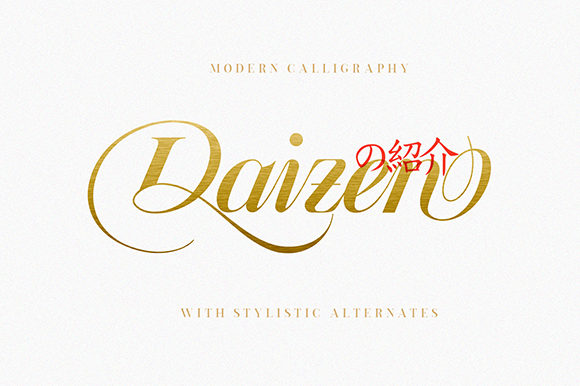
Daizen is a unique handwritten font that offers a delicate and timeless aesthetic. Its elegant strokes and natural flow make it ideal for a variety of design applications, from wedding invitations to business cards. This article explores the characteristics of Daizen, its potential uses, and considerations for designers and creatives looking to incorporate it into their work.
What Is Daizen?
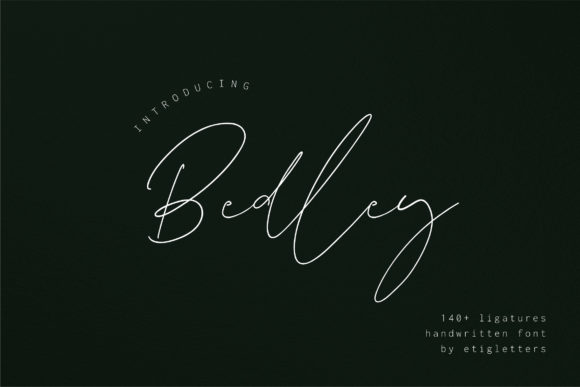
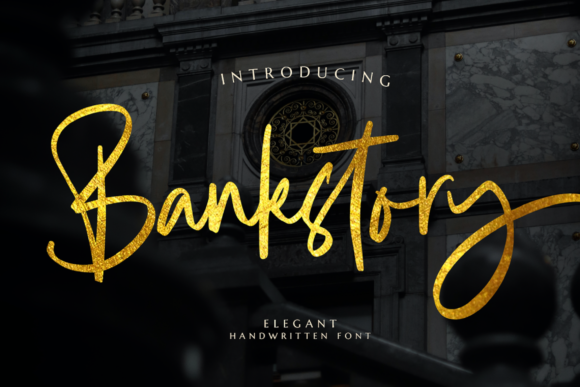
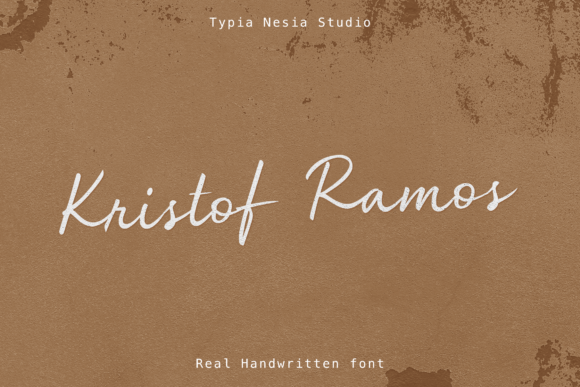
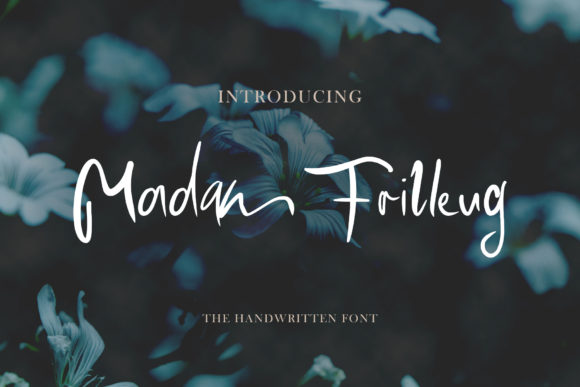
Daizen is a handwritten font that mimics the appearance of human handwriting. It features fluid, organic lines that give it a personal and authentic feel. Unlike more rigid or geometric typefaces, Daizen's design allows for a sense of warmth and individuality, making it particularly appealing for projects that require a handcrafted touch.
The font is available in multiple weights and styles, allowing for flexibility in different design contexts. Its legibility is generally good, though it may not be suitable for long blocks of text due to its stylized nature.
Why Someone Might Be Interested in Daizen
Designers and creators often seek fonts that add character and personality to their work. Daizen can provide this by introducing a sense of authenticity and artistry. Its handwritten appearance makes it especially popular for projects that aim to convey a personal or emotional message.
Individuals who are involved in event planning, such as weddings or special occasions, may find Daizen useful for creating invitations, thank you cards, or other printed materials. Its aesthetic also appeals to those working on branding, logos, or marketing collateral that requires a more approachable and human feel.
Benefits of Using Daizen
- Unique aesthetic: Daizen stands out from standard typefaces, offering a distinctive look that can elevate the visual appeal of a design.
- Emotional connection: The handwritten style can evoke a sense of intimacy and sincerity, which is valuable for personal or expressive projects.
- Flexibility: With various weights and styles, Daizen can be adapted to suit different design needs, from subtle accents to bold headlines.
Tradeoffs and Considerations
While Daizen has many strengths, it may not be the best choice for every project. One key consideration is its readability. Due to its stylized nature, it may be less legible than more traditional fonts, especially in smaller sizes or when used extensively.
Another factor is the context in which it is used. For professional or formal designs, a more structured font might be more appropriate. Additionally, the availability of Daizen in different languages or character sets may be limited, which could affect its usability in certain markets.
Situations Where Daizen May Be a Strong Fit
Daizen is particularly well-suited for projects that benefit from a personal and artistic touch. For example, it can enhance the visual appeal of:
- Wedding invitations: The font's elegance and warmth can complement the romantic and celebratory nature of weddings.
- Greeting cards: Whether for birthdays, anniversaries, or thank-you notes, Daizen adds a thoughtful and handmade quality.
- Quotes and artwork: When used in typography for quotes or illustrations, Daizen can create a visually engaging and expressive composition.
- Logos and branding: For businesses aiming to project a creative, approachable image, Daizen can serve as a strong typographic element.
Situations Where Alternatives May Be Worth Considering
In some cases, alternative fonts may be more appropriate. For instance, if clarity and professionalism are priorities, a sans-serif or serif font might be a better choice. Similarly, for digital interfaces or user-facing content, a more readable typeface could be essential.
Additionally, if a designer is looking for a more modern or minimalist aesthetic, other handwritten fonts with a different style might align better with their vision. It's important to consider the overall design language and audience when selecting a font.
Practical Decision-Making Insights
When evaluating whether Daizen is the right choice, consider the following factors:
- Project goals: Determine what message or emotion you want to convey through your design. Daizen is ideal for personal, artistic, or emotional expressions.
- Target audience: Think about who will see the design. If the audience values a more traditional or formal look, alternatives may be preferable.
- Design context: Assess how the font will be used. For headings or short phrases, Daizen can be very effective. For longer text, it may require careful formatting.
- Testing: Experiment with different sizes, colors, and layouts to see how Daizen performs in your specific application.
Ultimately, the decision to use Daizen should be based on how well it aligns with the overall design concept and the intended impact of the work.